

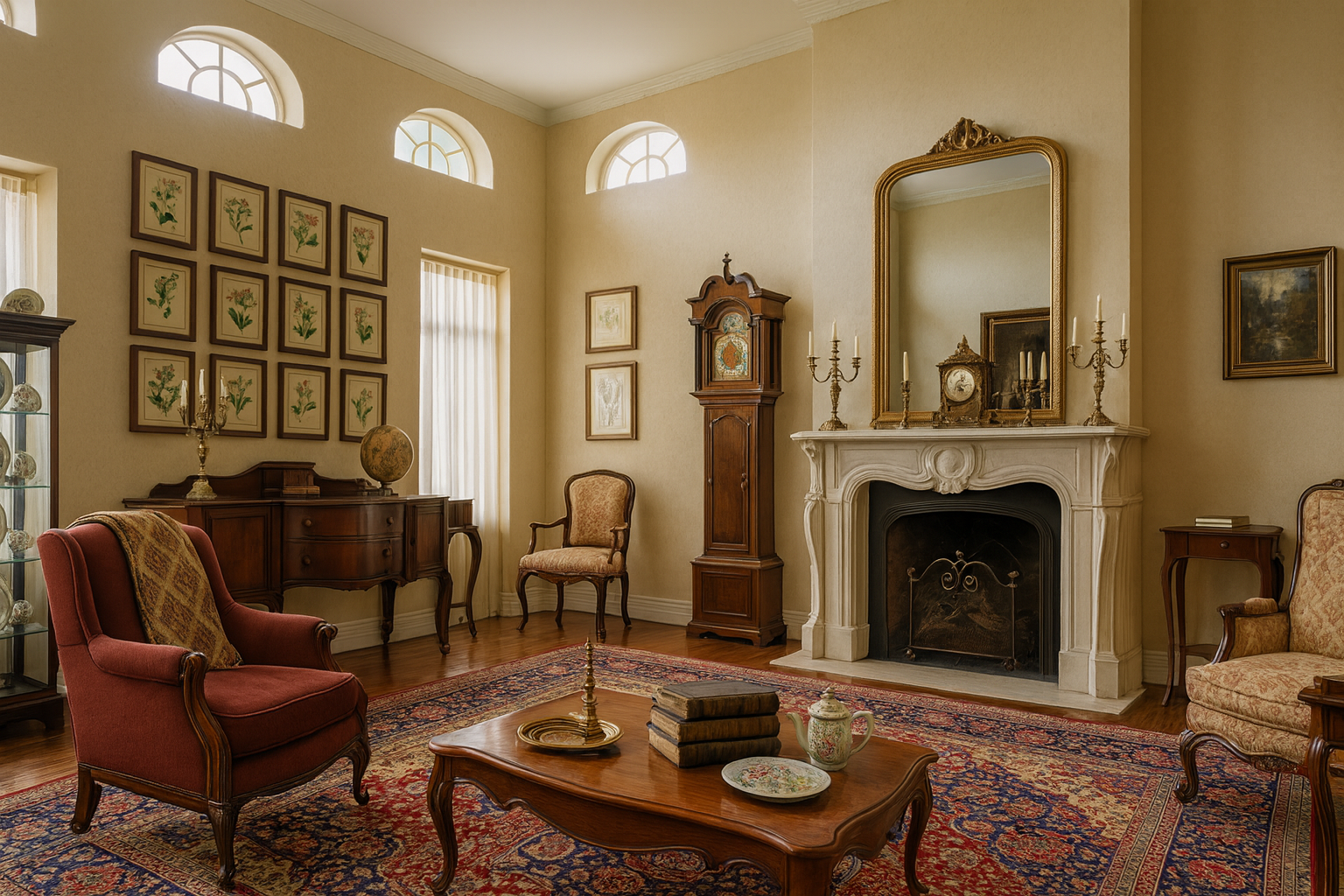
Vintage antiques are more than decorative relics. They are crafted memories. Whether it’s a hand-carved accent chair from the early 1900s, a Bakelite bracelet from the 1940s, or a restored mid-century lamp, every piece carries a story. And those stories speak to different people in different ways. Some see beauty. Others see opportunity. Many see both.
Understanding what qualifies as a vintage antique is the first step into this layered world. In the antiques community, the term usually refers to items that are at least 20 years old (vintage), with antiques traditionally defined as being 100 years old or more. The overlap between the two lies not just in age, but in character. These are items shaped by the techniques, trends, and materials of their time, with visible craftsmanship and a tangible connection to the past.
Why does it matter? Vintage antiques sit at a rare intersection of aesthetic design, historical insight, and financial value.
- Home decor enthusiasts lean toward vintage pieces because they bring soul to a space. These are not off-the-shelf replications. They are unique, often handmade or early manufactured, and they invite conversation.
- Casual collectors turn to vintage because it’s accessible. You don’t have to spend thousands to start. With a bit of knowledge and curiosity, you can build meaning into your collection over time.
- Serious collectors and resellers approach with a trained eye, evaluating items not just for their beauty, but for their provenance, rarity, and market trajectory. For them, vintage antiques straddle two worlds: personal passion and financial strategy.
History you can hold
There’s a reason people keep going back to antique shops, estate sales, and flea markets. The thrill isn’t just about the hunt. It’s about connection. You’re holding something that once belonged to another home, another decade, another chapter of American cultural memory. That connection is addictive in the best way.
And in 2025, this connection is more important than ever. As mass production saturates the marketplace, vintage antiques offer craftsmanship and materials no longer found in modern items. They were made to last, not for planned obsolescence. Whether it’s the dovetail joints of a dresser or the warmth of aged brass, these objects resist the uniformity of today’s trends.
This guide is for anyone who wants to go deeper: to learn what to look for, where to find it, and how to care for it.
We’ll explore the emotional, aesthetic, and practical value of vintage antiques. You’ll learn how to identify genuine pieces, where to source them locally, what to ask before buying, and how to price, sell, and preserve them. We’ll guide you through the antique community, from event calendars to forums, giving you every tool you need—whether you’re decorating your home, building a side business, or searching for investment-grade pieces.
Vintage antiques offer more than nostalgia. They offer a chance to hold onto something real. And that begins with knowing what you’re looking at, and what it’s worth.
Understanding the Appeal of Vintage Antiques
Vintage antiques aren’t idle keepsakes. They’re functional memory keepers. Each item tells a layered story not just of who owned it, but of the era that shaped it. In a world preoccupied with fleeting trends, antiques offer something lasting: provenance, quality, and cultural weight. Whether you’re curating a personal collection, refining your home, or building resale inventory, the appeal of vintage antiques comes down to three overlapping values—history, beauty, and investment.
The Cultural and Historical Soul of Collecting
When you bring vintage antiques into your space, you’re not buying an object. You’re bringing in a piece of lived history. These items existed before our Instagram feeds and online wishlists. They were etched into family routines, holiday meals, and childhood memories. From Federal-style sideboards to Art Deco cocktail sets, each piece reflects the social, political, and technological currents of its time.
Collectors aren’t just hunting for beauty. They’re preserving stories.
Those stories can be national—such as wartime rationing influencing design—or deeply personal, reflecting the lives of ordinary people across generations. For someone with a trained eye, a faint maker’s mark or wear pattern is more than patina. It’s a breadcrumb that leads to a broader narrative. This is why many serious collectors engage in provenance research, looking for documentation or oral history that confirms an item’s background. Even a casual find can become a window into a specific period or material culture if you know where to look.
Aesthetics with Meaning
Unlike mass-market décor, vintage antiques don’t just fill space. They bring soul to it. If you’re a home decor enthusiast, this is where vintage items shine. Whether it’s the warmth of walnut, the curve of bentwood, or the quiet drama of hand-cut crystal, these objects offer presence. They aren’t trying to mimic the past. They are the past, translated into something you can see and feel every day.
Here’s where it gets even better: antique pieces mix remarkably well with modern interiors.
- A carved Victorian mirror above a clean-lined console
- Mid-century dining chairs bringing contrast to a contemporary table
- An early American apothecary chest repurposed as a bar cabinet
Blending old with new doesn’t have to be stylistically rigid. It works best when there’s intention behind the placement, and when each piece holds meaning, either by design or discoverability.
Practical Value: Investing You Can Touch
Vintage antiques are not passive assets. They live in your home while increasing in value.
This matters whether you’re a reseller, investor, or long-term collector. Unlike most modern furnishings, well-chosen antiques often retain or appreciate in value over time. The key here is to understand what drives value in the first place: condition, rarity, maker, historical relevance, and documentation.
For those considering resale or future investment, here’s a straightforward framework to assess a piece’s potential:
- Provenance: Is there documentation or a clear ownership/trade history?
- Craftsmanship: Are materials and construction details consistent with its time period?
- Desirability: Does it align with current collecting or design trends?
- Condition: Has it been preserved, restored correctly, or left untouched?
- Market trajectory: Has demand increased, plateaued, or declined recently?
High-value antiques often float across auction houses and collector networks, but many modest pieces can quietly outperform expectations over the years. That includes everything from early industrial furnishings to regional folk art to discontinued ceramics. Even if your collection starts with passion, a bit of strategy can enhance its long-term value.
The emotional pull of antique collecting runs across all types of audiences. If you’re new to the world, vintage offers a sense of discovery and style that beats big-box sameness. If you’ve been collecting or selling for years, you already know the satisfaction of finding an underpriced gem or correctly identifying a rare form.
No matter your starting point, the appeal is the same: history, beauty, and value you can hold.
In the upcoming sections, we’ll cover how to identify pieces with confidence, where to locate the best shops and sales in your region, and how to care for items to retain their charm and market worth. Whether you’re buying a single standout piece or building an inventory, you’ll have the tools to see past the surface and recognize what truly separates one item from another: the life it’s already lived—and the one it will live with you.
Identifying Vintage Antiques
If you’re collecting, selling, or decorating with vintage antiques, identification is where everything begins. Knowing what you’re looking at isn’t about guesswork. It’s about trained observation, supported by tools, terminology, and practical steps.
Whether you’re just starting out or have years of experience, identification is a skill worth sharpening. The better you get at recognizing periods, materials, manufacturing techniques, and provenance, the less likely you are to overpay, underestimate, or misrepresent a piece.
Start with Period Recognition
Every antique tells time through its design. Recognizing a piece’s era helps place it in historical and stylistic context. You don’t need to memorize every decorative movement. Focus instead on learning visual cues and combining them with construction details.
- Victorian (1800s–early 1900s): Ornate carvings, dark woods like mahogany or walnut, often with floral or gothic motifs.
- Art Deco (1920s–1930s): Bold symmetry, geometric plastics or lacquered wood, with chrome or glass details.
- Mid-Century Modern (1940s–1960s): Minimal lines, teak or walnut, metal legs, innovation in form and function.
- American Colonial Revival (late 1800s–1940s): Turned legs, brass hardware, traditional silhouettes drawn from 18th-century inspiration.
Look beyond aesthetics. The silhouette, finish, and hardware help date the object more reliably than surface color or wear.
Materials and Construction Methods Matter
Materials age differently, and manufacturing tells you what era a piece could—and couldn’t—come from.
- Joinery: Hand-cut dovetails usually predate machine-cut joints. Mortise-and-tenon construction points to quality woodworking, especially in furniture.
- Hardware: Handmade nails (irregular heads) and screws (off-center slots) often appear in 19th-century and earlier items. Consistent machine-made hardware suggests later periods.
- Materials: Bakelite, early celluloid, and uranium glass surfaced in the early 20th century. Veneers over solid woods were commonly used in the 1800s but changed in character with industrial processes later on.
Always turn the object over. The underside, the back, or the inside of a drawer tells more about authenticity than the facing parts ever will.
Look for Marks, Labels, and Signatures
Trademarks, maker’s marks, stamps, and labels are signposts. They anchor your item to a location, maker, and time frame.
While not every quality antique is marked, many reputable goods were identified carefully. Learn to look for:
- Furniture: Factory stamps inside drawer panels, under tabletops, or brands burned into wood.
- Ceramics and Pottery: Backstamps, hallmarks, or incised numbers on the base.
- Jewelry and Silver: Hallmarks indicating metal purity, national origin, or the maker’s initials.
- Glassware: Acid-etched logos, paper labels, or mold seams that indicate manufacturing method.
When assessing marks, use reputable collector’s guides or online directories to cross-reference designs and logos. And watch for fakes. A slapped-on label that doesn’t match the construction method or materials is a red flag.
Provenance: The Story Behind the Object
Provenance isn’t just paper, it’s the known history of the item. That can include original receipts, family notes, estate sale documentation, or dealer records. Even partial provenance can boost an item’s confidence and value. The goal is simple: traceable ownership or location over time.
Don’t be shy about asking questions if buying from a dealer or seller. Use this framework to guide your conversation:
- Where did you source this piece?
- Have any repairs or restorations been done?
- Do you have documentation or previous sale records?
If you’re selling, document your sourcing as much as possible. Even a handwritten note about the prior owner can enrich the piece’s appeal.
Condition Versus Authenticity
Condition refers to the physical state of an item. Authenticity refers to whether it is what it claims to be. They’re often linked, but not the same. A perfectly preserved reproduction is still inauthentic. An authentic piece with wear may hold more value because of it.
When evaluating condition:
- Check for structural integrity: Furniture should sit even and hold weight.
- Look at finishes: Some surface wear adds character, but heavy refinishing may reduce value.
- Confirm original components: Replaced handles, legs, or fabric can affect collectibility even if well done.
If authenticity is unclear, lean on expert resources. Antique appraisers, dealer guilds, or seasoned collectors can often assist in evaluating complicated or ambiguous pieces. If an item demands verification due to high value or historical importance, professional appraisal is worth the cost.
Tools and Approaches for Success
You don’t need expensive equipment to get started. But a few practical tools make a difference.
- Magnifying glass or loupe: For inspecting marks, patina, and wear.
- Tape measure: Sizing can provide clues to era and function.
- Blacklight: Helps detect repairs in ceramics or newer finishes.
- Reference books and digital catalogs: Focused on specific categories like furniture, silver, or glass.
If you specialize in a category—such as American mid-century, Victorian jewelry, or European porcelain—build out your own reference library over time. These resources pay for themselves in saved mistakes and smarter purchases.
Collectors who succeed long-term develop two things: a trained eye and a tested process for evaluating unknown pieces.
Identifying vintage antiques isn’t about luck. It’s informed visual thinking, supported by touch, history, and logic. Keep learning, keep asking, and remember, every great find starts with knowing what you’re actually looking at.
Where to Find Vintage Antiques Near You
The best vintage finds are rarely advertised. They’re discovered. Whether you’re hunting for a rare piece of Federal-era furniture or a mid-century bar cart that still turns heads, knowing where to look makes all the difference. And in 2025, that search is both physical and digital. The good news: great antiques are everywhere if you know how to search with strategy, not just luck.
Start Local, Think Regional
Your city—and the towns around it—are more vintage-rich than you might assume. Antique shops, vintage stores, flea markets, and dealer booths often run under-the-radar, especially in the U.S. market where shop signage and online visibility can vary wildly.
Here’s a framework to map your regional base of antique sources:
- Antique Shops: Look for individually run stores with curated selections. These often focus on quality over quantity and may feature specific categories like woodworking, textiles, or vintage lighting.
- Antique Malls: Larger centers featuring multiple dealers in booth-style setups. Expect a wide price and style range. Great for digging through volume and comparing vendors in one visit.
- Vintage Boutiques and Home Decor Stores: Often lean more curated, with mid-century, industrial, rustic, or Americana themes. Prices tend to reflect condition and trend-driven appeal.
- Local Flea Markets and Swap Meets: These can be hit-or-miss—or goldmines. Selection changes constantly, and some vendors don’t specialize in antiques but might unknowingly carry valuable pieces.
- Estate Sales and Garage Sales: Authentic, affordable, and often unlisted elsewhere. The more you attend, the sharper your eye and timing becomes.
Vintage finds reward consistency. Create a circuit of monthly visits to keep tabs on new inventory and build relationships with regular sellers.
Use Smart Search Keywords
When you’re searching online, language matters. Generic searches rarely lead to the best results. Instead, use specific phrases that mirror collector searches and store descriptions.
Start with these practical keyword combinations:
- “Antique shop close to me” or “nearest vintage store”
- “Antique mall near me” or “vintage market this weekend”
- “Used furniture store with antiques” or “local estate sale listings”
- “Mid-century furniture near [your zip code]”
- “Vintage collectibles shop in [city name]”
Be wary of listings that use the word “antique” too loosely. Many wholesale or mass-produced modern decor stores mislabel vintage-style inventory. Always check item photos and verify seller credibility before making a trip or purchase.
Tap into Dealer Directories and Online Platforms
Directories save time for serious and casual buyers alike. Instead of scrolling endlessly through maps or classifieds, use focused resources that index dealers by location and specialty.
Here’s how to use directories effectively:
- Search by state, region, or zip code.
- Filter by category (furniture, jewelry, kitchenware, primitives, etc.).
- Look for dealer bios, not just shop addresses. Many smaller vendors sell via appointment only or rotate locations depending on the season.
Community-sourced platforms—like antique forums, collector clubs, and vendor groups—often post leads a few days before public listings go live. Getting involved in one or more of these communities helps surface off-market deals and new vendor spots early.
For daily browsing or sourcing inventory, online marketplaces can be helpful. But always prioritize platforms with solid search filters, strong image verification tools, and transparent seller feedback. Filtering by distance or location-based shipping helps keep your search grounded in your region.
Attend Local Antique Events and Pop-Up Markets
Some of the best inventory never makes it online or into storefronts—it goes straight to events. Seasonal antique fairs, regional dealer shows, and pop-up vintage markets allow sellers to showcase fresh stock in real time. These venues also give buyers a chance to see, touch, and negotiate on-site.
To locate reputable events in your area:
- Search “vintage market near me this weekend” or “antique show [your region]”
- Check local chamber of commerce calendars and community Facebook groups
- Join mailing lists for antique fairs or collector expos nearby
Bring cash and be ready to act. Top pieces go quickly, and many sellers don’t hold unclaimed items. If you’re repeatedly seeing sold signs on great finds, arrive earlier or spring for early-entry tickets where available.
Build Local Vendor Relationships
Loyalty opens doors that one-time customers don’t get. Once you’ve found a few go-to shops, follow up regularly. Ask vendors what’s coming in soon. Let them know what you’re hunting for. Many dealers keep quiet inventory, saved for people they trust or clients who buy consistently.
This especially benefits serious collectors and resellers pursuing specific periods or item categories. Vendors don’t want to post fragile or rare pieces online if they can sell them locally with less risk. Handshake deals still matter in the antiques world.
Don’t Skip Small Towns and Scenic Routes
Some of the richest vintage finds hide along rural highways and in towns with populations under a few thousand. Family-run shops, retired dealers, or downsizing estates often sit just outside the urban sprawl. If you’re traveling or exploring on weekends, take an hour to map antique stores along your route using your GPS app. Layer in terms like “junk store,” “thrift,” or “barn antiques” for broader coverage.
Small town vendors may price items differently, prioritize cash sales, and often know the full history of what they’re selling. The extra time spent driving can pay off in authenticity, condition, and price point.
Great antique hunting favors the observant and the persistent.
You won’t always know what you’ll find, and that’s the point. But with the right search terms, resources, and relationships, you’ll be shopping smarter—and closer to home—than ever before.
How to Buy Vintage Antiques Wisely
Buying vintage antiques is part passion, part strategy. Whether you’re furnishing your home, adding to a collection, or sourcing inventory for resale, a smart purchase is more than a lucky find. It’s an informed decision that balances aesthetics, authenticity, condition, and value.
In 2025, the market is active both in person and online. That creates more opportunity—but also more risk. Prices vary widely, restorations aren’t always disclosed, and some sellers count on buyers not asking the right questions. The good news: you don’t need to be a dealer or appraiser to shop with confidence. You just need a sharp eye and a solid process.
Decide What You’re Actually Shopping For
Before you pull out your wallet, zero in on your goal. This focus sharpens your search and helps you avoid impulse buys that don’t fit your space, style, or strategy.
- Casual buyers: Prioritize items that fit your décor and interest you personally. Value matters, but vibe and condition are often the biggest factors.
- Serious collectors: Focus on building depth in a category or period. Choose pieces that add historical or design context to your collection.
- Resellers and inventory buyers: Buy with the end customer in mind. Evaluate pricing, resale potential, trend alignment, and restoration needs.
Being clear on your role helps you buy with purpose, not just excitement.
Understand Pricing: What You’re Really Paying For
Vintage pricing is part science, part art. Get familiar with both. A few variables always affect price:
- Provenance and maker: Is the piece documented, signed, or traceable to a known studio or factory?
- Condition and originality: Items in original, unrestored condition often carry premium value—especially if usable as-is.
- Rarity and demand: Common items in excellent condition may be affordable. Rare forms or lesser-known regional pieces can be undervalued if sellers haven’t done their homework.
Don’t rush. Compare asking prices across several sources before buying. And remember, higher price doesn’t always mean higher value. Question inflated tags, especially on items that seem overly trendy or recently restored without transparent labeling.
Learn to Negotiate Without Overplaying Your Hand
Fair negotiation starts with respect and research. Whether you’re at an estate sale or working with a shop dealer, buyers who lead with curiosity—not haggling—get better results.
Use this proven approach when negotiating in-person or via message:
- Start friendly: “I love this piece—what’s the best price you can do today?”
- Never insult the item: If there are flaws or damage, call it out matter-of-factly, not critically.
- Bundle when possible: Ask, “Would you consider a better price if I buy both pieces?”
- Be reasonable: Counter-offers that align with market value are more respected than lowballing.
With online sellers, ask pointed questions before committing. For rare or expensive items, request extra photos showing the back, underside, or hardware. If a seller dodges those requests, move on.
Assess Restoration Inside and Out
Restoration isn’t inherently bad—but you need to know what was changed, and how well.
- Look under new finishes: If a wooden item looks refinished, inspect for sanding signs that soften edges or erase joins.
- Check for replacement parts: Reupholstered fabric, new hardware, or modern screws reduce originality and might lower value depending on your goals.
- Clarify repairs: Ask if items have been glued, stapled, rewelded, or reconstructed. Good repairs retain integrity. Poor ones compromise function or collectibility.
When in doubt, treat any item with visible modifications as altered, unless documentation or clear technique supports the change.
For resellers, calculate restoration costs into your margin. A piece that “just needs a little work” can quickly become unprofitable if it requires professional refinishing, structural reinforcement, or specialist cleaning.
Vet the Seller Before You Buy
You’re not just buying the piece—you’re buying the seller’s accuracy and credibility too. Whether you’re browsing a local store or an online marketplace, evaluate how the seller communicates and describes items.
Look for these green flags:
- Transparent descriptions: Clear condition notes (including flaws) and construction details
- High-resolution photos: Multiple angles, no filters, close-ups of marks or wear
- Market knowledge: Mentions of style, period, provenance, or comparable items
If a seller responds quickly, provides extra details willingly, and demonstrates familiarity with the item, you’re generally in better hands.
For online purchases: prioritize sellers with return policies, detailed shipping terms, and consistent positive reviews. If anything feels vague or rushed, trust your gut and look elsewhere.
Know When to Walk Away
Not every piece is worth the price tag or trouble. That goes double for items suffering from poor restoration, undisclosed damage, vague sourcing, or a price way out of step with its category.
Use this checklist. If a piece checks two or more of these boxes, proceed with caution:
- Unclear or questionable provenance
- Overbuffed or heavily refinished surfaces
- Structural repairs done with glue, staples, or non-matching woods
- Descriptions that use “antique style” instead of specific periods
- Seller unwilling to discuss condition or specifics
A good buy is one you feel confident owning—or reselling—tomorrow. Even a beautiful piece becomes a burden if it’s overpaid, overworked, or oversold.
Buying Should Be Enjoyable, Not Guesswork
Every antique purchase, no matter the size, should feel deliberate. You don’t need to second-guess forever, but you should know why you’re drawn to the piece and what you’re really buying. Is it charm, history, potential value—or all three?
When you pair passion with process, your best finds fall into place naturally.
In the next section, we’ll shift gears and dive into the art of selling vintage antiques—what to list, how to photograph, and where your items sell best depending on your goals. Whether you’re turning a collection into a side business or downsizing part of your home, smart selling builds on smart buying.
Selling Vintage Antiques: Tips and Best Practices
Whether you’re a seasoned reseller or downsizing a private collection, selling vintage antiques requires more than listing and hoping. It’s about presentation, precision, and platform. Buyers in 2025 expect clarity, honesty, and visual appeal. And if you’re building a business around antiques, getting the process right determines your reputation and return.
Preparing Your Items for Sale
The first rule of vintage resale: presentation affects price. An item in excellent condition that looks dirty, cluttered, or poorly staged won’t perform. Prepare each piece like it’s going in a gallery—even if its next stop is a flea market booth or online listing.
- Clean gently and appropriately: Avoid harsh chemicals. Use microfiber cloths, soft brushes, and period-friendly cleaners. For silver or wood, make sure finishes are preserved, not stripped.
- Repair minimally if repairs are needed: Tighten joints, reattach handles, or fix a loose leg, but leave full restorations declared. Overdoing repairs can erase authenticity.
- Remove distractions: Wipe off price tags from past booths, dust from long storage, or stickers from estate sales. Every detail matters.
The goal is to help buyers see what they’re really buying, without guessing past grime or clutter.
Photographing Antiques That Sell
Your photos don’t need to look like a magazine shoot. But they do need to be clear, honest, and useful.
Use this proven framework for photographing vintage pieces, whether large or small:
- Natural lighting: Shoot near a window or under soft light. Avoid flash when possible to prevent glare or distortion.
- Clean backdrop: Use a neutral wall or draped cloth. Remove household clutter that distracts from the object.
- Angles that count: Front, side, back, underside, and close-ups of marks or defects. For furniture, show joints and legs. For glassware or art, show detail texture and labeling.
- Scale check: Include a standard item (ruler, soda can, or hand) if size might be unclear.
Buyers often make purchase decisions based on scroll-stopping images. Grainy, cropped, or poorly lit photos waste good inventory.
Writing Descriptions That Convert
Descriptions are not just about labeling—they’re about storytelling and confidence. You’re offering buyers clarity about material, age, condition, and value without puffery or guesswork.
Use this checklist for writing compelling listings:
- What is it? Name the item clearly with the correct category. (e.g., “Art Deco Vanity Mirror, c. 1930s”)
- What is it made of? Identify material accurately: walnut, cast iron, uranium glass, silver-plate, etc.
- When was it made? Include an estimated period or date range if confident (and note “approximate”).
- Where is it from? If known, state country or manufacturer. Include maker’s marks if present.
- What is the condition? Be thorough: “light surface wear consistent with age,” “refinished top,” “replaced drawer pulls.”
- Why is it special? Outline distinguishing features that matter to collectors or decorators.
Descriptions with a balance of accuracy and enthusiasm outperform generic or overly hyped listings.
Choosing the Right Selling Platform
Where you sell affects who sees it—and what they’re willing to pay. Each channel has strengths based on item type, selling frequency, and buyer behavior. Choosing the wrong one could mean wasted effort or lower returns.
Online Marketplaces
- General resale platforms: Great for high-traffic visibility. Best suited for trend-driven pieces, mid-century décor, smaller collectibles, or well-known styles. Expect buyer questions and negotiation.
- Specialty marketplaces: Ideal for historic periods, signed pieces, or category-specific items (e.g., vintage jewelry, fine silver, antique textiles). Often require seller verification but reach serious buyers.
- Your own website or shop profile: Worth building if you’re transitioning to a business model. Direct sales = more margin, but you’ll need strong branding and customer service.
In-Person Selling
- Antique fairs and shows: Best for bigger or showcase pieces. Buyers here expect price flexibility and in-hand inspection.
- Antique malls or consignment booths: Provide local reach on a consistent basis. Monthly fees apply, but sales can be regular if you refresh inventory often.
- Pop-up markets: Great for meeting buyers directly and testing pricing tactics. Setup requires effort but builds presence fast.
Decide what works for your goals. Resellers focused on speed and volume may lean digital. Those focused on niche or rare pieces often find stronger response going analog with the right crowd.
Pricing to Reflect Value and Sellability
Pricing is not about what you paid—it’s about what someone else will pay confidently. The key is to balance your item’s historical and aesthetic value with real market behavior.
Use this framework to guide pricing:
- Estimate fair market value: Search similar items on multiple platforms based on condition, size, and period.
- Factor in restoration and effort: If you’ve made improvements, be transparent and include them in your markup.
- Account for rarity: A rare version of a common item may justify premium pricing—but only if your buyer base recognizes it.
- Stay flexible: Price competitively at launch, then adjust based on interest, traffic, and how urgently you need to sell.
For small business sellers, volume consistency often trumps maximum margin. Don’t let perfect pricing block a good sale.
Run Your Small Business Like a Dealer
Even a part-time vintage resale operation benefits from professionalism. Treat each item as a mini investment. Track costs, time spent, and sales data to refine your strategy. Document your sourcing, receipts, and listing details in batches for easier re-posting or tax prep.
And remember, your reputation is your brand. Direct communication, clean packaging, and fast shipping matter—even if the item is a century old.
The best sellers combine product knowledge, presentation skills, and platform fluency.
Get those three right, and your vintage pieces won’t just find homes—they’ll create loyal buyers, return business, and a resale rhythm you can grow into something steady and profitable.
Preserving and Caring for Vintage Antiques
If you want your vintage antiques to hold both their charm and market value, proper preservation isn’t optional—it’s the baseline. Cleaning too harshly, storing improperly, or attempting clumsy repairs can do irreversible damage. Whether you’re a home decorator with a few key pieces or a serious collector managing dozens of items, how you maintain them matters. Preserving well means respecting the materials, age, and integrity of each object while keeping it safe for future enjoyment—or future sale.
Cleaning: Less Is More
Great cleaning isn’t about making something look new. It’s about revealing the condition naturally and safely. Vintage items, particularly those with original finishes, surfaces, or patina, lose value when overcleaned or chemically altered. Here’s a breakdown of smart, category-based approaches:
- Wood Furniture: Use a barely damp microfiber cloth to remove dust. Apply paste wax or beeswax polish sparingly for nourishment. Avoid silicone-based products, which can damage old finishes over time.
- Metal (brass, bronze, silver): Remove loose dirt with a dry soft cloth. For silver, use non-abrasive cleaners made specifically for antiques. Do not fully polish unless the buyer or category demands it. Patina can be a value booster, not a flaw.
- Textiles and Upholstery: Light vacuuming through a mesh screen works well for loose dust. Spot clean using distilled water and a gentle cleaner only if colorfast. Avoid washing older fabrics unless you’ve handled antique textiles before.
- Ceramics and Glass: Wash gently in lukewarm water with pH-neutral soap and a soft sponge. Avoid soaking if cracks or crazing are present. Do not use dishwashers or abrasive brushes.
If you’re unsure, leave it untouched or consult a specialist before attempting DIY cleaning. You can remove value faster than dirt if you’re careless.
Storage: Avoid Extremes at All Costs
The wrong environment will age your antiques faster than time ever could. Light, humidity, temperature swings, and poor airflow all contribute to deterioration. Whether you’re displaying or storing, stick to these evergreen rules:
- Temperature: Aim for consistent, moderate room temperatures. Sudden shifts can cause wood to crack or warp, and adhesives to fail.
- Humidity: Keep relative humidity stable—ideally around [insert guideline] for mixed collections. Too high leads to mold. Too low causes brittleness.
- Sunlight: Direct UV rays bleach colors, weaken fibers, and fade finishes. Position antiques away from direct windows or use UV film on glass.
- Dust and Airflow: Avoid plastic covers. Use breathable cotton sheets for large furniture or items in storage. Maintain airflow to prevent mold, especially in basements or attic spaces.
- Shelving and Supports: Don’t stack heavy items, and avoid tilting mirrors or framed pieces on sharp angles. Use acid-free padding or foam between delicate or painted surfaces.
Treat your antique storage area like a miniature museum: calm, clean, and consistent.
Restoration: Know When to Stop
Restoring vintage antiques requires restraint, not ambition. The golden rule is simple: preserve original components and finishes whenever possible. Restoration should stabilize, not reinvent. Here’s how to approach it smartly:
- Surface Touch-Ups: Minor scratches can often be minimized with wax or color-matched filler pens. Avoid sanding unless you’re reversing a previous botched fix.
- Structural Repairs: Loose joints or missing fasteners should be repaired with reversible methods. Use archival glue or traditional wood joinery over modern adhesives.
- Hardware Replacement: When missing, try to source period-appropriate parts. Document any replacements if you’re aiming to resell.
- Fabric and Upholstery: If reupholstering, photograph the original and choose materials close to the original textile in weight, weave, and tone.
If you’re in doubt, do less, not more.
Most buyers would rather see an honest dullness than obvious overwork. The moment an object looks too refreshed, collectors start asking what was hidden. If you’re restoring with investment or resale in mind, document the process. Transparency helps maintain trust and may even enhance value—especially if done professionally.
Common Pitfalls to Avoid
Some mistakes are so common, they deserve repeat warnings. Avoid these at all stages of preservation:
- Overuse of Modern Cleaners: Vinegar, bleach-based sprays, and all-purpose household polishers often react poorly with older materials.
- Inappropriate Repairs: Hot glue on wood, duct tape on textiles, or epoxy on porcelain will lower or destroy market value.
- Ignoring Pest Risks: Woodworms, moths, or nesting insects may already exist in antique wood or fabric. Quarantine newly acquired or suspect items before blending with your collection.
- Mishandling During Moves: Grabbing chairs by arms, lifting tables by the top, or stacking fragile boxes can lead to accidental breakage. Train anyone who helps you handle your high-value pieces.
Antique care is about pace, not shortcuts.
When to Involve a Professional
There’s a line between thoughtful upkeep and skilled conservation—and it’s worth knowing where it lies. Professional help is recommended for:
- Paintings or paper works that show mold, tears, or flaking
- Period furniture with inlay or marquetry damage
- Silver featuring deep tarnish or broken forms
- Fragile ceramics with cracks or previous repairs
Look for professionals who specialize in your item’s category. Antique conservators often focus on a single material—wood, fabric, paper, etc. Ask for a treatment proposal before committing, and review before/after photos of prior work. Repair isn’t always reversible, so choose your collaborators carefully.
Caring as a Long-Term Strategy
The goal of preservation isn’t perfection. It’s longevity with integrity. When you clean gently, store wisely, and restore only with care, you do more than increase resale value—you respect the object as a piece of lived-in history.
If you’re building a collection or business around these items, care becomes your reputation too. Repeat buyers, discerning collectors, and antique communities reward sellers who handle their pieces well. It’s not just what you acquire, but how you treat it once it’s yours.
Handled right, these pieces last beyond generations. They decorate, appreciate, and educate—all while adding authenticity to the lives they touch. That’s the power of preservation done properly.
Engaging with the Antique Community
If you want to get smarter, quicker, and more successful with vintage antiques, connect with the people who live and breathe them. The antique community in the United States is vast, deeply informed, and surprisingly welcoming. You don’t need decades of experience or rare items in your collection to pull up a seat. You just need curiosity and consistency.
Why Community Engagement Matters
Antique collecting isn’t solo work—it thrives on shared experience. Whether you’re identifying a mystery item, hunting for a specific form, or trying to track historical context, other collectors and dealers can shorten your learning curve by years. Through forums, fairs, clubs, and directories, the antiques world gives you access to:
- Timely market knowledge: Understand what’s rising in popularity or fading in demand before it impacts your purchases or pricing.
- Expert guidance: Gain insights from dealers, restorers, and passionate collectors who’ve seen hundreds—sometimes thousands—of comparable pieces.
- Deal flow: Find sellers or buyers before the crowd, often at better prices, through trusted connections.
- Ongoing education: Learn construction methods, restoration approaches, and cultural history directly from those who’ve worked with these items for decades.
This is a space where people love to talk shop—and those conversations pay off.
Dealer Directories: Your Rolodex of Resources
Directories aren’t just for planning trips or finding shops. They are community roadmaps. A quality dealer directory can help you locate specialists in your area, cross-reference store reputations, and filter options by item category.
If you’re a reseller or serious collector, directories can also unlock private buying appointments. Many high-end or appointment-only dealers list selectively, and being engaged on these platforms shows you’re serious. Here’s how to make the most of them:
- Search by zip code or city, not just state, for smaller shops not indexed in broader listings.
- Check for dealer specialties (e.g., American Primitive, Art Nouveau, Industrial, Folk Art).
- Bookmark shops you want to visit later and contact in advance to ask whether they frequently restock, attend shows, or source by request.
You can also use directories to identify shops or vendors attending upcoming fairs, giving you intel before you attend in person.
Antique Shows and Fairs: Collective Knowledge in One Room
Nothing beats standing in front of dozens of dealers and thousands of objects in a single day. Local and national antique shows are where collectors, designers, resellers, and dealers gather not just to sell—but to teach, network, and learn. Whether it’s a high-end show, a casual pop-up, or a recurring regional fair, you get real-time exposure to period styles, pricing trends, and buyer behavior.
Make these events work for you:
- Arrive early for first selection: The best pieces move fast, especially with professional buyers on-site.
- Ask questions on sourcing: Most dealers are happy to explain manufacturing features or era-specific traits if asked respectfully.
- Carry photos of what you collect: Showing pictures of past finds or current wants helps you get better leads.
- Stay after lunch: Dealers may start accepting lower offers later in the day.
Fairs also remind you how varied the antique spectrum really is—from rustic Americana to Deco glamour to mid-century pop. Seeing it all in person refines your eye more than hours online ever will.
Clubs and Collecting Groups: Knowledge That Compounds
If you’re serious about growth, find your tribe. Regional clubs and item-specific collector groups often hold monthly meetings, workshops, or tours. Some are open to all. Others have modest membership dues. But nearly all offer disproportionate value to those who attend consistently.
Look for clubs focused around:
- Furniture styles or periods (e.g., early American, Shaker, Victorian, Scandinavian)
- Object types (e.g., clocks, quilts, vintage toys, advertising signs)
- Material categories (e.g., stoneware, Bakelite, silver, cast iron)
These clubs often circulate newsletters, host guest speakers, and share insider leads on auctions, downsizing sales, or dealer retirements. If you’re a seller, they can also become a reliable, qualified audience for your offerings.
Online Forums and Groups: Community at Your Fingertips
You don’t have to leave your living room to join quality antique discussions. Online platforms feature thousands of collectors ready to weigh in, identify pieces, and share perspectives. Although social media groups are useful, dedicated forums tend to offer deeper, more curated discussions.
Search for groups based on:
- Type (vintage décor, collectible toys, architectural salvage)
- Era (pre-1900s, mid-century modern, 1960s/70s)
- Location (state-focused groups often share local resources and deals)
When posting, include clear photos, size, materials, and any maker’s marks. The better your post, the better the insight you’ll receive. Many seasoned collectors are happy to help—especially when you take time to learn protocol and contribute thoughtfully.
Think of it not as casual chat, but as digital apprenticeship in real time.
Finding Events and Networks Near You
You don’t have to live in a big city to find a great community. Antique engagement happens everywhere—from coastal metro areas to small-town venues. Use this checklist to start your search:
- Search online using phrases like “antique club near me” or “collector meetup in [your city]”
- Visit antique stores and ask staff if they’re aware of local groups or upcoming events
- Check bulletin boards at antique malls—they often promote nearby auctions, club meetings, or co-op openings
- Sign up for dealer mailing lists at shops, even if you’re not buying yet. Enthusiasts often share relevant leads.
Over time, you’ll find which shops favor certain styles, which dealers trade privately, and which events fit your goals. The more you show up respectfully, whether online or in person, the more people remember your name—and what you’re after.
This isn’t hustle culture. It’s relationship culture.
Knowledge Grows in Community
If you want to get better at antiques—faster and with more enjoyment—build around people who do the same. Whether it’s a local club, a collector group, or a curated online platform, you aren’t just gaining access to new finds. You’re learning from the best behavior pattern in this field: consistent, curious engagement.
Great collectors aren’t just item-focused. They’re people-connected.
When you’re part of the antique community, you discover more, spend smarter, and become the kind of resource others trust, too.
Antique Events, Shows, and Resources Specific to the United States
There’s no better place to sharpen your eye or expand your connections than an antique show or fair. These events offer dense, hands-on exposure to high-quality inventory and knowledgeable vendors. Whether you’re hunting rare decor, buying stock for resale, or scouting inspiration, regional and national antique events give you access to pieces, people, and perspectives you won’t find anywhere else.
Types of Antique Events You’ll Find in the U.S.
Not all antique events look alike—and that’s a good thing. Some are multi-day destination fairs with professional vendors and vetted booths. Others are grassroots, community-run events with hidden gems and local flavor. To make the most of them, it helps to understand the basic formats:
- Major Antique Shows: Large-scale, juried events featuring top-tier dealers with curated, high-value pieces. Ideal for serious collectors and design professionals.
- Regional Flea Markets and Vintage Fairs: Populated by a mix of antique vendors, local pickers, and vintage resellers. Prices and quality vary widely. Great for discovery and negotiating on the spot.
- Seasonal Collector Markets: Often themed (e.g., mid-century modern, Americana, ephemera) with vendors known in specific niches. A favorite among informed hobbyists and small-shop buyers.
- Estate Sale Weekends: Event-style sales run by professional liquidators, often promoted like mini fairs. Inventory is typically fresh and priced to move quickly.
Whatever the size or structure, each event is a chance to learn, handle pieces directly, and refine your taste in real time.
How to Locate Antique Shows Near You
Finding antique events near your zip code is easier when you search smarter—not broader. Generic event listings won’t always surface the best leads. Instead, focus your search using these practical tools:
- Use focused search terms: Try “antique fair near me this weekend,” “vintage show [city/state],” or “antique flea market [your region]”
- Check dealer directories: Many publish annual event calendars or list which shows their vendors attend.
- Join antique-related mailing lists: Local collector clubs, show organizers, and antique malls often send early invites and sneak previews to subscribers.
- Follow event organizers on social media: Regional events frequently post last-minute info about pop-up markets, early-access passes, or vendor previews.
Don’t limit yourself to your hometown. Some of the best U.S. antique shows take place one or two states away. You’ll quickly learn which events are worth making a weekend trip for based on vendor quality, scale, and inventory theme.
Preparing for an Antique Event Like a Pro
Turn up casually, and you’ll shop like everyone else. Prepare properly, and you’ll shop like a collector. Whether it’s your first or fiftieth show, these strategies improve the quality of what you find—and how confidently you shop:
- Set your focus: Know what you’re hoping to find. That includes item types, periods, or materials. It helps you ask focused questions and avoid decision fatigue.
- Bring supporting tools: Tote a tape measure, small flashlight, loupe (if you’re inspecting detail), and protective wrap in case you find fragile pieces.
- Handle your pricing research in advance: Search for comparable items online before you arrive. That way, you’ll spot overpriced or underpriced finds instantly.
- Dress practically: You’ll be walking a lot, possibly outdoors or on uneven terrain. Forget fashion-forward footwear in favor of walking shoes and weather-layered outfits.
- Bring varied payment methods: Some sellers accept cards or mobile payments, others will offer better deals for cash.
Leave room in your car or bring a folding cart. Many buyers forget logistics until faced with a bulky but irresistible piece they now have no way of transporting.
How to Approach Dealers and Vendors
Most dealers aren’t just sellers—they’re historians, specialists, and repeat sources. Build relationships, not just transactions. A bit of preparation and respect takes you far in a vendor-heavy setting:
- Greet before you negotiate: Dealers are more open to questions when approached with appreciation, not immediate haggling.
- Ask how recent an item is to their stock: New inventory rarely draws immediate discounts, but older stock may be more flexible.
- Request background without pressure: Even inexpensive items may have excellent provenance, construction detail, or restoration notes worth knowing.
- Include dealers in your search: If you don’t see what you’re looking for, ask if they have similar pieces in storage or upcoming shipments.
- Look for local auctions: The help you finding the auctions near you, check U.S. auction houses by state.
Relationships built at shows often open the door to private calls when something special becomes available before it hits the market.
Know What to Watch for at Each Type of Event
The kind of event you’re attending helps shape your buying strategy. Quality, pricing, and negotiation vary—so align with what each atmosphere offers:
- At major shows: Expect professional pricing, clearer provenance, and higher expectations for buyer knowledge. Great setting for learning and focused collecting.
- At smaller fairs and flea markets: Flex muscle in negotiation, don’t be afraid to examine pieces closely, and check frequently for restocking if vendors are unloading throughout the day.
- At antique expos with themed days (e.g., silver Saturday, textile Sunday): Go early for best pickings, but linger late for price drops on bulky stock that vendors would rather not pack up again.
The environment gives cues. Choose how you buy accordingly.
Document What You See (and What You Don’t)
Tracking what you encounter is vital—especially if you’re developing a category-specific knowledge base. Whether you leave empty-handed or not, record:
- What styles or makers appeared frequently
- What price ranges dominated certain item types
- Which vendors you’ll want to track or visit later
- Which pieces you almost bought (and why)
This kind of event journal quickly builds market awareness. After a few shows, you’ll be able to compare, strategize, and shop with instinct that’s backed by record—not just memory.
Future-Proof Your Calendar
Many of the best events return seasonally or annually. Get them on your calendar early. Sign up for attendee alerts, vendor pre-registration, or VIP admission if money allows. Serious buyers often get access a day early. Even one hour of head start can mean locking in high-value pieces you’d never see otherwise.
Be consistent in your attendance, and vendors will start recognizing you by name and interest. That kind of recognition builds access and can earn you first dibs on premium inventory long before the public ever sees it.
Whether you’re sourcing for yourself or scaling a vintage-focused business, U.S. antique events are more than marketplaces, they’re education in motion.
Make attending them part of your collecting rhythm. You’ll not only sharpen your eye—you’ll expand your reach every season you show up.
Conclusion and Next Steps
Whether you’re decorating a corner of your home or managing a full inventory for resale, vintage antiques offer more than aesthetic charm—they offer lasting value. Real craftsmanship, cultural meaning, and historical resonance don’t go out of style. That’s why these pieces remain timeless investments, both emotionally and financially. If you’ve followed this guide, you now have the foundational knowledge to buy, sell, and preserve antiques with informed confidence rather than uncertain guesswork.
Your journey in vintage collecting doesn’t begin or end with a single piece—it builds over time through experience, community, and curiosity.
What You’ve Learned
- Understanding Value: Why antiques matter to decorators, collectors, investors, and small business resellers—and how their cultural weight amplifies their appeal.
- Identification Strategies: Clear methods to assess era, materials, construction techniques, and provenance, no matter your experience level.
- Location Tactics: How to find antique shops, vintage markets, and hidden retail gems near you, using smart keywords and community-based resources.
- Buying and Selling Smarter: Ways to negotiate ethically, evaluate condition honestly, and choose the right platforms and pricing models for your antique goals.
- Caring for Long-Term Value: Proven techniques to clean, store, and restore antiques without diminishing what makes them collectable in the first place.
- Community Knowledge: How to plug into national and local antique communities through shows, directories, clubs, forums, and dealer relationships.
If you apply even a portion of what you’ve read here, your next antique find won’t just be decorative—it will be deliberate.
What to Do Next
- Explore your local area: Use antique-focused directories or search terms like “antique shop close to me” or “vintage mall near me” to build your regular vendor circuit.
- Bookmark seasonal events: Look up antique shows, vintage markets, or collector fairs happening in your state over the next few months. Planning attendance upfront can mean better access and better buys.
- Join a community: Whether in person or online, get connected. Forums, clubs, and social groups are your on-call mentors and allies in this field.
- Start a project: List one antique you own for resale, research its origin, or document its condition and history. Even a small act builds your skill set.
- Invest in learning: Pick one area—furniture styles, glassware, jewelry, textiles—and buy or borrow a focused collector’s guide. Strength comes from specialization.
Every step you take sharpens your instincts.
Antiques reward the thoughtful. They respond to attention, respect, and research. And when you combine knowledge with consistency, their value no longer feels abstract—it becomes history you can hold and heritage you can pass down or pass on profitably.
You don’t need to know everything to start. You just need to start. Then come back, learn more, and go deeper with each find, each sale, each restoration.
And if you’re ever unsure where to head next, the antique world always has another lead, another lesson, and another story waiting.